
+86-182-1720-1300 zhaoxuemei1@huxishiye.com
Language
Please Choose Your Language

Views: 0 Author: Site Editor Publish Time: 2026-07-13 Origin: Site


Sample preparation is universally acknowledged as the most critical bottleneck in molecular workflows. Compromised sample lysis directly invalidates downstream assays. These encompass PCR protocols, sensitive Western Blots, and complex mass spectrometry. Manual disruption methods still exist today. However, they frequently fail to meet rigorous modern requirements. They cannot consistently deliver the scalability or recovery rates demanded by researchers. A purpose-built Homogenizer is not just a convenience. It is a fundamental requirement for reproducing accurate data. It actively maintains the integrity of highly sensitive intracellular components. In this comprehensive guide, we will explore core cell processing methodologies. You will learn how modern equipment actively prevents target degradation. We will evaluate specific techniques tailored to diverse sample matrices. By understanding these mechanical principles, you can optimize your extraction yields. You will ultimately transform unpredictable manual processing into a highly standardized, scalable protocol.
Manual processing fundamentally struggles to deliver uniform biological outcomes. Modern scientific protocols require strict precision to validate data sets. Relying on outdated grinding techniques introduces massive margins of error. We must examine exactly where these manual methods break down during daily operations.
Traditional mortar and pestle techniques rely entirely on human physical force. This introduces unacceptable variance in extraction yields across different batches. One operator might grind vigorously for two minutes. Another might grind gently for five minutes. You cannot confidently compare experimental results across different days. Variability distorts baseline measurements. It forces you to repeat costly experiments unnecessarily. Standardized equipment eliminates this human element completely. It applies the exact same kinetic energy to every single tube.
Purely chemical lysis methods often underperform on their own. They struggle relentlessly against tough physical matrices. Fibrous muscle tissues resist enzymatic breakdown. Plant leaves feature incredibly rigid cellulose walls. Relying solely on chemical buffers leaves valuable target molecules trapped inside intact cells. You need mechanical shearing forces to break these durable barriers effectively. Once the physical structure ruptures, chemical agents can penetrate the sample. This dual approach maximizes your overall analyte recovery rate.
Manual processing is notoriously slow and tedious. It dangerously extends the timeline of sample preparation. This extended timeline leaves biological samples highly vulnerable. Endogenous proteases rapidly digest sensitive proteins in the buffer. Uninhibited RNases continuously cleave fragile RNA strands. You lose viable data with every passing minute. Faster automated processing drastically reduces this critical exposure window. Rapid disruption ensures you recover intact, viable molecules before degradation occurs. Quick processing is essential for capturing accurate transcriptomic snapshots.
Selecting the appropriate physical mechanism is crucial for optimal results. Different biological matrices require distinct kinetic forces for successful disruption. We classify these systems based on their core mechanical properties. This categorization helps you align laboratory equipment directly with your specific sample types.
Rotor-stator systems operate using high-shear fluid processing. A rapidly spinning internal rotor draws the sample upward. It forces the material out through a stationary outer stator. This intense shearing action tears cell membranes apart swiftly.
Bead milling relies on high-speed kinetic impact. The system vigorously shakes tubes filled with samples and small grinding beads. The resulting collisions smash tough matrices into tiny fragments. This is a highly effective tissue homogenizer approach for modern biological workflows.
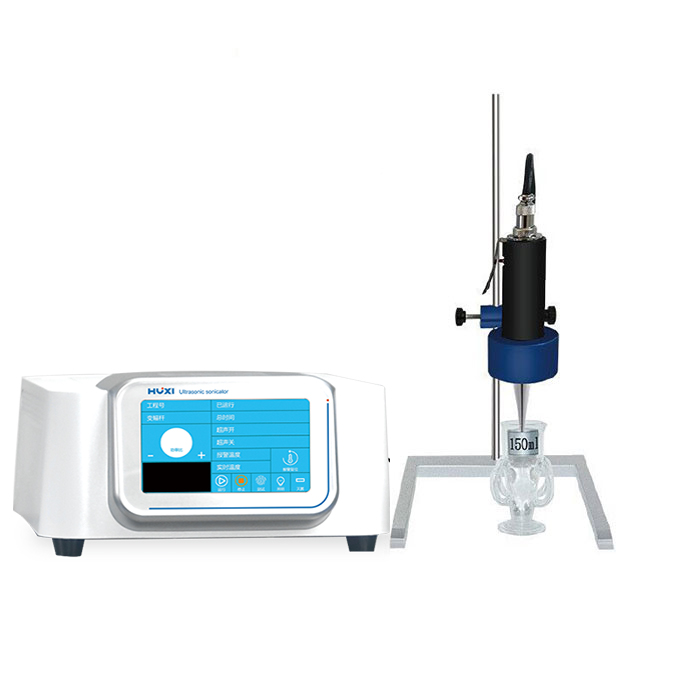
Ultrasonic systems utilize acoustic cavitation rather than physical blades. A metallic probe emits high-frequency sound waves into the liquid. This creates microscopic bubbles that continuously form and implode. The implosions generate massive localized shear forces.
Review the comparison table below to align your workflow requirements with the correct mechanical system.
| Technology Type | Primary Mechanism | Best Suited For | Key Operational Limitation |
|---|---|---|---|
| Rotor-Stator | High-shear fluid dynamics | Soft tissues, liquid blending | Requires thorough cleaning between runs |
| Bead Mill | High-speed physical impact | Fibrous, hard, or multiple samples | Requires bead material/size optimization |
| Ultrasonic (Sonicator) | Acoustic cavitation implosions | Suspended cells, DNA shearing | Generates intense localized heat |
Making an informed equipment decision requires looking beyond basic specifications. You must evaluate how the system handles operational stress. Risk mitigation should drive your final selection. We will outline the most critical evaluation factors below.
Modern laboratories operate under strict regulatory scrutiny. Standardized protocols protect institutional integrity. They guarantee reliable outcomes over long periods. Implementing automated disruption technology fundamentally improves your overall compliance posture.
Automated platforms excel at standardizing Standard Operating Procedures (SOPs). They feature programmable, digitally lockable protocols. You can strictly dictate processing time, motor speed, and resting cycles. Operators simply select a pre-programmed method and press start. This rigid control readily satisfies GLP and GMP documentation requirements. Auditors prefer systems that actively restrict unauthorized protocol alterations.
You must validate your chosen lysis parameters before processing precious samples. Every biological matrix features a unique breaking point. Applying excessive kinetic energy yields disastrous results. For example, over-processing can shear high-molecular-weight DNA into useless fragments. You must run baseline validation tests thoroughly. Identify the minimum time and speed required to achieve full lysis. This cautious approach maximizes yield while preserving molecular integrity.
Manual grinding introduces severe ergonomic hazards. Repeated forceful motions cause repetitive strain injuries (RSI). These injuries impact staff health and reduce laboratory productivity. Automated systems completely remove these dangerous repetitive tasks. Furthermore, specialized enclosures contain harsh acoustic noise generated by ultrasonic probes. Enclosed systems also capture hazardous biological aerosols. Protecting operator health is a non-negotiable aspect of laboratory management.
Deploying new disruption equipment requires strategic foresight. You must anticipate the operational demands of your chosen platform. Overlooking these factors leads to unexpected downtime. Careful planning ensures smooth integration into your daily workflow.
Every technology carries specific consumable requirements. Bead milling relies heavily on single-use tubes. You must source specific grinding beads continuously. Rotor-stator systems require specific buffer solutions. Understand these dependencies before committing to a platform. Ensure your supply chain can consistently provide the exact materials you need. Delays in acquiring disposable tubes will instantly halt your extraction workflows.
Physical disruption imparts immense stress on mechanical components. Parts wear down over repeated uses. Rotor-stator blades eventually dull and require swift replacement. Ultrasonic titanium probes suffer from microscopic pitting over time. This pitting actively degrades energy transfer efficiency. You must schedule regular motor servicing. Establish a clear routine for replacing worn components. Proactive maintenance prevents sudden equipment failure during critical experimental runs.
Never procure complex equipment blindly. Always request a practical sample trial from the manufacturer. Send them your toughest, most fibrous sample matrix. Ask them to process it using their recommended parameters. You must independently verify the resulting RNA and protein yield benchmarks. A successful trial validates the technology against your specific operational challenges. It proves the system performs exactly as promised in real-world conditions.
Effective sample preparation sets the foundation for all molecular discoveries. Upgrading your disruption methodology eliminates severe operational bottlenecks. A dedicated homogenizer is a variance-reducing investment. It actively protects your downstream data integrity.
We encourage laboratory managers to audit their current lysis protocols carefully. Are you seeing varied Western Blot signals? Do you struggle to extract DNA from tough matrices? Identify your primary workflow bottlenecks today. Request a technical consultation or a direct equipment demo based on your most difficult sample type.
A: It can, if kinetic energy is too high or heat remains unmanaged. Excessive shear forces easily fragment large genomic DNA. Friction generates intense heat that denatures delicate proteins. Proper optimization of speed, duration, and active cooling prevents this degradation entirely.
A: They are often used interchangeably. However, "cell disruptors" typically refer to methods targeting suspended cells. This includes sonication or French presses. Conversely, "tissue homogenizers" specifically handle solid, macro-scale matrices. These complex matrices require intense mechanical shear or physical impact to break down.
A: You should adopt closed-system bead mills that use sealed, single-use tubes. If you must use rotor-stator configurations, utilize automated wash stations. You can also deploy sterile disposable probes to completely eliminate carryover between your biological samples.


