
+86-182-1720-1300 zhaoxuemei1@huxishiye.com
Language
Please Choose Your Language

Views: 0 Author: Site Editor Publish Time: 2026-07-14 Origin: Site


A Homogenizer operates under extreme stress and high velocity every single day. The intense mechanical forces required for precise processing inevitably cause equipment wear over time. When this mechanical degradation happens, it directly compromises your sample integrity. Inconsistent particle size reduction creates irreproducible data. Incomplete cell disruption causes similarly flawed outcomes. These unseen failures often produce false negatives. They also cause frustrating and highly disruptive batch rejections.
You need a rigorous strategy to prevent these hidden operational hazards. This article provides an evidence-based framework for routine upkeep. We cover preventative maintenance and advanced troubleshooting techniques in detail. You will learn how to maximize instrument uptime reliably. We will show you how to ensure verifiable laboratory performance. Applying these structured practices protects your critical research outcomes daily.
Generator probes rely on microscopic tolerances to function correctly. Micro-wear on these components fundamentally alters their shear dynamics. Worn teeth cannot process suspended particles evenly. This subtle wear leads to highly inconsistent homogenization. Analytical results become skewed and entirely unreliable. Researchers often base critical decisions on this flawed data. You must maintain tight physical clearances to guarantee reproducible particle size reduction.
Failing bearings create excessive internal friction. Misaligned shafts do the exact same thing. This friction generates unwanted heat during active operation. Temperature-sensitive biological samples degrade rapidly under these harsh conditions. Complex proteins denature easily when exposed to thermal spikes. Volatile chemicals evaporate or react poorly during the process. You risk losing irreplaceable material entirely. Recovering from these losses wastes valuable laboratory hours.
Unplanned downtime disrupts your entire laboratory throughput. It stops ongoing experiments abruptly. Missing regular maintenance schedules triggers serious compliance audit deviations. Strict GLP or GMP guidelines require detailed equipment logs constantly. Auditors actively look for documented, consistent upkeep. Neglecting maintenance threatens your operational certification directly. It compromises your laboratory reputation and delays important project milestones.
Always conduct thorough visual checks before powering up the unit. Look for shaft straightness carefully. Verify the absolute integrity of your PTFE bearings. Ensure all mechanical connections remain perfectly secure. Loose parts cause catastrophic failures during high-speed runs. Verify you have chosen the right probe size. Match the probe type to your exact sample volume. This simple step prevents dangerous motor strain effectively.
Flush the system immediately after concluding your work. This immediate action prevents sticky material adhesion. Dried biological material acts like hardened cement on steel. Disassemble the unit carefully following manufacturer guidelines. Clean both the rotor and stator thoroughly. Remove all trapped debris from the intricate grooves. Follow strict material guidelines when autoclaving parts. Protect delicate polymer seals from harsh chemical degradation. Keep metal components free from aggressive corrosives.
Maintain a clean workspace at all times. A standard benchtop homogenizer requires proper ambient ventilation. Blocked air vents cause rapid motor overheating. Implement reliable vibration mitigation strategies around the device. Use dampening mats under the heavy base plate. Keep the surrounding area completely clear of clutter. Dust accumulation ruins internal motor components over time. A highly stable physical environment ensures highly stable analytical results.
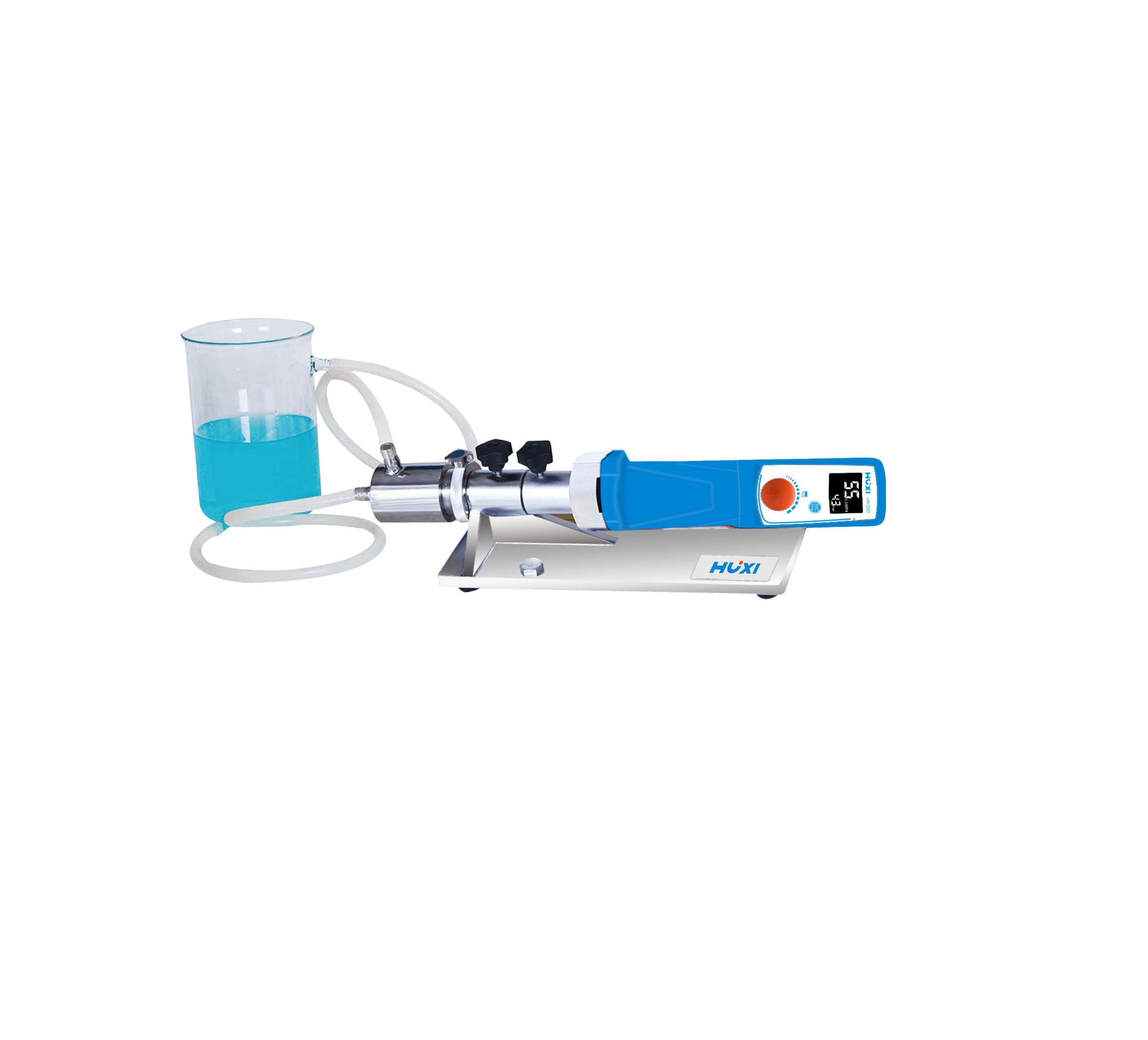
Routinely examine your 316L stainless steel parts. Look closely for early signs of pitting. Watch for sudden surface corrosion or dulling. Establish strict baseline metrics for expected motor noise. Record normal vibration levels upon first use. You can then detect future mechanical anomalies quickly. Regular inspections prevent minor issues from becoming catastrophic system failures.
Schedule firm intervals for checking sealed bearings. Replace PTFE washers based on actual operating hours. Never base these crucial replacements merely on calendar days. A heavily used unit needs frequent washer changes. A rarely used unit lasts much longer without intervention. Document these component swaps diligently to track wear patterns.
Use standardized test samples regularly to test output. Emulsions work very well for performance verification. Specific cell suspensions also provide excellent benchmarks. Ensure processing times yield identical results over time. Check your RPM settings carefully against external tachometers. Document these checks comprehensively in your official logs. These documents support internal quality control measures perfectly. They provide necessary, irrefutable proof during rigorous external audits.
| Component | Inspection Frequency | Maintenance Action |
|---|---|---|
| PTFE Bearings | Every 50 operating hours | Inspect for wear, discoloration, or flattening. Replace if damaged. |
| Rotor/Stator Teeth | Weekly | Check for dulling, pitting, or severe material buildup. |
| Motor Ventilation | Monthly | Clear dust from housing vents. Ensure unobstructed airflow. |
| Seals and O-Rings | Bi-weekly | Verify elasticity. Check for micro-tears and chemical degradation. |
Listen closely to the device during active operation. Strange noises usually point to specific component failures. Diagnose bent shafts immediately when vibrations increase. Inspect the housing for severely worn bearings. Verify proper assembly before restarting the unit. A loose internal connection rattles loudly and causes severe damage. Address auditory changes the moment you notice them.
Analyze rotor teeth when processing efficiency drops unexpectedly. Dull teeth tear challenging samples poorly. Verify your RPM settings match the established protocol perfectly. Assess your initial probe selection. High viscosity samples require specific generator designs. Using the wrong probe causes incomplete cell disruption entirely. Match the hardware to the fluid dynamics of your sample.
Check for restricted airflow around the primary housing. Avoid prolonged continuous operation beyond recommended limits. Respect the defined duty cycle of your specific instrument. Highly viscous samples overload the motor easily. Adjust your processing times accordingly to prevent thermal shutdown. Let the motor cool completely between unusually heavy batches.
Inspect internal O-rings carefully under bright lighting. Look for hidden micro-tears in the polymer seals. Review your laboratory cleaning protocols again. Find specific procedural gaps allowing sample bypass. Eliminate cross-batch contamination risks effectively. Train your staff on proper reassembly techniques to ensure tight seals.
Compare your legacy equipment against modern alternatives objectively. Newer units offer highly advanced brushless motors. They eliminate carbon brush dust completely from your cleanroom. They feature programmable processing profiles for complex protocols. You can save specific speed and time settings easily. Modern devices provide significantly improved noise reduction. Older units often roar disruptively and distract laboratory personnel.
Determine if your current struggles stem from outgrowing capacity. You might be pushing a benchtop homogenizer far beyond intended limits. Recognize when daily lab volume requires a much larger system. Small motors burn out quickly under constant, intensive loads. Upgrading ensures you meet increasing throughput demands without constant breakdowns.
Create a structured scorecard for your laboratory equipment. Track current downtime frequency accurately over several months. Project your future laboratory processing volume needs realistically. Use objective performance metrics to justify continued maintenance. Initiate replacement procurement when mechanical failure rates escalate. A dedicated scorecard removes emotional attachment to old machines. It provides highly objective data for effective management decisions.
Proactive maintenance remains a non-negotiable element of laboratory quality control. You must treat daily upkeep as a core scientific process. Well-documented SOPs for cleaning directly safeguard your analytical data integrity. Thorough component inspection prevents catastrophic mechanical failures entirely. Schedule regular reviews of your maintenance logs carefully. Identify recurring performance issues early before they escalate. Spot warning signals indicating a need for immediate operational adjustments. Upgrade your equipment when capacity limits are consistently exceeded. A well-maintained instrument guarantees reliable, reproducible results every single time. Take action today by standardizing your routine inspection protocols. Your advanced research demands nothing less than optimal operational performance.
A: Replace PTFE bearings based on actual operating hours, typically every 50 to 100 hours of active use. Visual inspections should occur daily. If you notice discoloration, flattening, or increased vibration, replace them immediately to prevent severe shaft damage.
A: Autoclaving is highly effective for 316L stainless steel components. Always disassemble the probe first. When using chemical sterilants, select solutions compatible with both stainless steel and your specific seals. Rinse thoroughly with distilled water afterward to remove chemical residues.
A: Sudden excessive vibration usually indicates a bent shaft, worn PTFE bearings, or improper assembly. Stop the unit immediately. Inspect the generator probe for straightness and ensure all connections are firmly tightened. Continued use will cause severe internal motor damage.
A: No. Precision tolerances between the rotor and stator dictate shear efficiency. Attempting to sharpen the teeth manually alters these microscopic clearances completely. This destroys the shear dynamics and leads to unpredictable results. You must replace dull components with new parts.


