
+86-182-1720-1300 zhaoxuemei1@huxishiye.com
Language
Please Choose Your Language

Views: 0 Author: Site Editor Publish Time: 2026-07-11 Origin: Site


Inconsistent sample preparation is a primary driver of irreproducible downstream data and wasted laboratory reagents. Laboratories often struggle to isolate intact analytes when their physical disruption methods fall short of scientific rigor. Relying on inadequate disruption equipment destroys sensitive molecules or leaves tough matrices completely intact. Moving beyond basic specifications to align equipment capabilities with specific assay requirements, sample matrices, and throughput demands is crucial for reliable analytical results. No single Homogenizer fits all workflow requirements perfectly. The right choice requires balancing analyte stability, processing volume, and daily maintenance needs. We will explore how to appropriately match mechanical forces to your unique sample matrix. You will learn how to properly evaluate core disruption technologies to optimize your laboratory protocols. By mastering these selection criteria, you ensure higher yields and superior reproducibility across all applications.
Before evaluating hardware, you must clearly define your starting material and end goals. A vague baseline leads to mismatched equipment and compromised analytical data. Identifying your downstream success criteria provides the necessary operational foundation.
Clarify your ultimate objective before making purchasing decisions. Are you pursuing DNA/RNA extraction, protein purification, or particle size reduction for emulsions? Each downstream application demands specific integrity thresholds. Genomic DNA extraction requires gentle processing to prevent shearing large fragments. Emulsion creation needs aggressive particle size reduction to ensure long-term stability. You must map the exact physical state your assay requires to succeed.
Categorize the physical properties of your input material. Examine the viscosity, elasticity, and hardness of your biological or chemical samples. Plant tissues often exhibit high elasticity and contain tough, rigid cell walls. Soil samples introduce abrasive hardness causing rapid equipment wear. Mammalian cell cultures burst under minimal mechanical force. These distinct physical traits dictate the specific approach necessary for successful cellular breakdown.
Determine the thermal and shear sensitivity of your target analyte. Mechanical friction inevitably generates heat during processing. Establish strict temperature and processing time limits early in your protocol development. RNA degrades rapidly at elevated temperatures due to ubiquitous RNase activity. Sensitive proteins lose their native conformation under high shear forces, ruining downstream functional assays. You need strict operational boundaries to protect these fragile molecules from irreversible damage.
Best Practice: Always test the physical limits of your target analyte using small pilot volumes before scaling up your entire laboratory workflow.
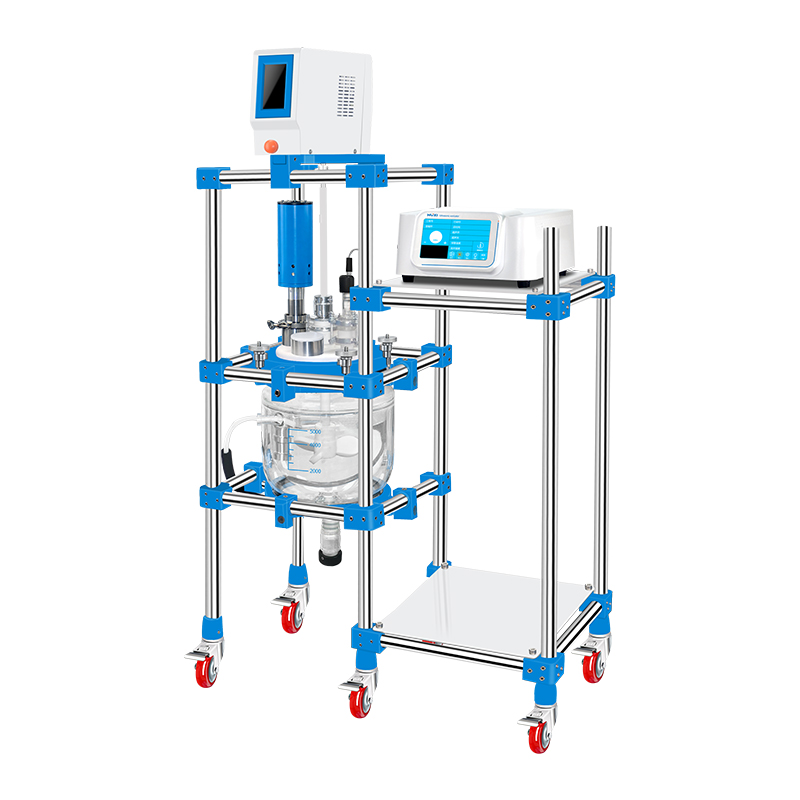
Different disruption mechanisms serve different laboratory needs. We evaluate four primary technologies below, detailing their operational mechanics and optimal use cases.
These units rely on rapidly spinning blades positioned inside a stationary tube, known as the stator. The spinning rotor draws the liquid sample up and violently forces it out through narrow slots. This physical action creates immense mechanical shear.
Bead mills vigorously shake sample tubes filled with varying types of grinding media. The rapid oscillation causes high-velocity collisions between the beads and the sample material.
These devices use high-frequency sound waves to create microscopic cavitation bubbles in the liquid. When these tiny bubbles collapse, they generate intense shockwaves. When you need extreme molecular precision, an ultrasonic sample homogenizer offers powerful and customizable disruption capabilities.
These advanced systems force liquid samples through very narrow valves under extreme hydrostatic pressure. The sudden drop in pressure upon exiting the valve causes explosive cellular lysis.
| Technology | Optimal Sample Types | Typical Throughput | Heat Generation Risk |
|---|---|---|---|
| Rotor-Stator | Soft tissues, emulsions | Low (Single tube) | Moderate |
| Bead Mills | Bone, seeds, tough plant tissue | High (96-well compatible) | High |
| Ultrasonic | Cells, nanoparticles, DNA shearing | Moderate (Batch arrays possible) | Extreme |
| High-Pressure | Bacteria, yeast, pharma liquids | Very High (Continuous flow) | Moderate |
A machine might successfully disrupt your sample but fail your daily workflow requirements. Evaluate these operational dimensions closely to ensure seamless integration into your laboratory.
Compare single-sample processing times against large batch processing capabilities. Many labs struggle when moving from single tubes to multi-tube arrays or automated 96-well plates. Ensure your chosen equipment can scale seamlessly if lab throughput doubles next year. Manual processing creates severe bottlenecks during peak operational periods. Operators waste valuable hours waiting to process individual samples sequentially.
Verify the minimum and maximum working volumes for each device. A mismatch here leads to sample loss, splashing, or incomplete disruption. Probes designed for large 50mL tubes cannot process 1mL microcentrifuge samples effectively. You need flexible tooling or multiple interchangeable generator probes to accommodate varying project sizes. Processing too little volume leads to foaming, while processing too much prevents proper fluid circulation.
Evaluate built-in cooling features against ad-hoc laboratory solutions. Heat-sensitive assays require highly stable temperatures to prevent degradation. Cryogenic compatibility or integrated cooling blocks offer superior protection compared to messy, inconsistent ice baths. Consistent thermal management ensures reproducible analyte recovery across different batches. Extended processing times demand active chilling systems to maintain structural integrity.
Assess the ease of cleaning and sterilization. Consider systems offering disposable plastic probes or completely sealed single-use tubes. Processing highly infectious pathogens or easily contaminated samples demands strict isolation protocols. PCR templates are especially vulnerable to microscopic cross-contamination. Closed-tube systems eliminate aerosol transfer between adjacent samples entirely, securing your diagnostic data.
Common Mistakes in Workflow Integration:
Beyond operational specifications, several hidden factors impact your daily laboratory routines. Focus on long-term sustainability and operator safety to avoid unpleasant functional surprises.
Many equipment platforms require specific proprietary components to function correctly. Calculate the ongoing requirement for proprietary grinding beads, specialized reinforcement tubes, or single-use disposable generator probes. Locking your protocols into a single consumable ecosystem limits future flexibility. Ensure you have reliable access to these required materials to avoid unexpected processing delays. Supply chain disruptions involving proprietary tubes halt laboratory operations immediately.
Address the operational realities of daily equipment use. High noise levels cause operator fatigue and routinely violate occupational safety standards. Always check the official decibel ratings before installation. Consider the significant risk of repetitive strain injuries resulting from heavy handheld units. Automated benchtop systems reduce manual handling, improve overall laboratory ergonomics, and protect staff wellbeing.
Look closely for programmable memory settings. Standard operating procedures must execute identically across different technicians and different shifts. Programmable digital interfaces remove human error from the operational equation. When you lock in specific time, speed, and power variables, you guarantee consistent physical disruption regardless of the operator. Analog dials fail to provide the exact reproducibility required by modern analytical frameworks.
Navigating the available options requires a structured, evidence-based elimination process. Use this strategic framework to finalize your laboratory equipment choice effectively.
The best disruption equipment minimizes operational variables before the analytical phase even begins. Decision-makers must prioritize protocol reproducibility and strict workflow alignment over raw motor power. Implementing the right mechanical breakdown strategy protects your most sensitive molecules and ensures reliable downstream data. Avoiding workflow bottlenecks requires a deep understanding of your sample matrix and analyte limitations. We encourage you to audit your current sample prep bottlenecks carefully. Contact an application specialist to conduct a thorough laboratory workflow assessment today.
A: Cryogenic bead mills are highly recommended for RNA extraction from tough tissues. They keep samples frozen during the rigorous physical disruption process. This extreme cooling prevents thermal degradation of fragile RNA molecules. The mechanical impact of the beads easily fractures tough plant or animal cell walls.
A: Yes, but you must actively manage cross-contamination risks. Processing multiple samples quickly requires thorough washing of the generator probe between each tube. To accelerate this process, you can utilize disposable plastic probes. These eliminate cleaning time entirely and guarantee zero sample-to-sample carryover.
A: Select bead material based on sample hardness. Glass beads work perfectly for soft cells, bacteria, and yeast. Ceramic beads offer higher density, making them ideal for soft animal tissues and moderate plant materials. Stainless steel beads deliver maximum impact force for extremely tough samples like seeds and bone.
A: A grinder typically processes dry materials to reduce overall physical size. A sample homogenizer reduces particle size while blending materials into a uniform liquid suspension or emulsion. Homogenization usually involves wet processing, creating a consistent matrix suitable for sensitive molecular or chemical analysis downstream.


