
+86-182-1720-1300 zhaoxuemei1@huxishiye.com
Language
Please Choose Your Language

Views: 0 Author: Site Editor Publish Time: 2026-06-27 Origin: Site


Poor maintenance causes costs to compound rapidly. When laboratory personnel ignore daily care routines, minor issues escalate into systemic failures. You cannot afford to treat your Centrifuge as a set-and-forget instrument. Neglect directly impacts your operational budget, sample integrity, and lab safety.
Metal fatigue presents one of the most severe structural risks. Rotors endure massive g-forces during every run. Improper cleaning techniques or acidic solvents create invisible micro-scratches on the rotor surface. Under extreme rotational stress, these tiny blemishes grow into dangerous micro-fractures. If a compromised rotor breaks apart at high speed, it obliterates the internal chamber. This explosive failure sends shrapnel through the lab, endangering lives.
Beyond safety, operational downtime cripples lab productivity. Unplanned outages delay downstream assays and frustrate researchers. Imagine the financial impact of a failed refrigerated compressor. If the cooling system breaks mid-run, you lose highly sensitive, temperature-dependent biological samples. Replacing these destroyed samples often costs far more than the equipment itself.
Finally, consider your compliance standing. Regulatory bodies like CLIA, ISO, and CAP demand rigorous equipment oversight. They require documented calibration logs and strict maintenance records. If an auditor finds incomplete preventative care files, your lab faces immediate citations. Maintaining clear, verifiable records proves your commitment to quality control and diagnostic accuracy.
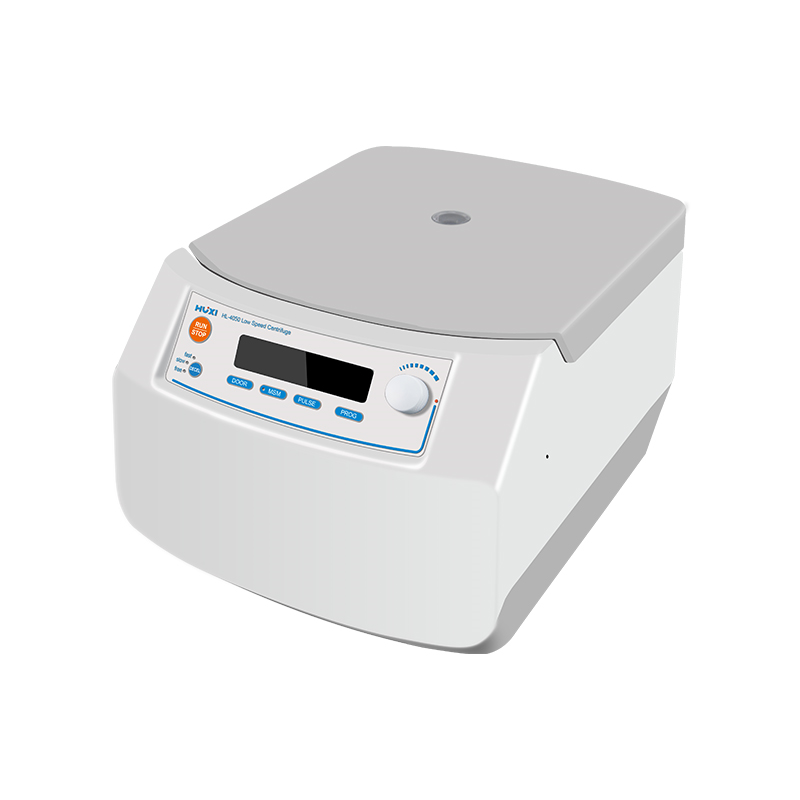
Proper maintenance requires actionable, scalable schedules. You must break down complex requirements into manageable routines for lab personnel. Structuring these tasks ensures nothing slips through the cracks.
Maintenance Frequency | Action Required | Primary Benefit |
|---|---|---|
Daily | Wipe down chamber, check for spills, leave lid open to dry. | Prevents moisture buildup and surface corrosion. |
Weekly | Inspect O-rings, remove rotor to clean drive shaft, lubricate grooves. | Maintains aerosol seals and prevents rotor seizing. |
Monthly | Deep clean buckets, check calibration logs, inspect for metal fatigue. | Ensures compliance and catches structural wear early. |
Every successful spin starts before you press a button. Operators must perform visual inspections diligently. Always check your load balance using a precision scale. Do not just eyeball liquid volumes. Different samples have varying densities. Two tubes holding the same volume might weigh differently, causing a dangerous imbalance.
Next, inspect the O-rings on your aerosol-tight lids. Look closely for tiny cracks or flattening. A flattened O-ring cannot contain a biological spill. Finally, verify that the bucket grooves and trunnions are entirely free of debris. Even a speck of dried buffer can throw off the swing trajectory of a bucket, inducing harsh vibrations.
Lab habits often clash with equipment realities. Many technicians mistakenly use 10% sodium hypochlorite (bleach) to disinfect rotors. You must warn your team against this practice. Bleach strips protective anodized coatings from aluminum. It causes rapid pitting and irreversible chemical damage.
Instead, recommend wiping down the chamber, rotor, and lid with 70% ethanol or a neutral pH cleaner. Ensure the cleaner has a pH between 6 and 8. Emphasize the absolute necessity of removing the rotor to clean the central drive shaft. Moisture traps itself under the rotor. After cleaning, you must allow all components to air-dry completely inverted on a sterile rack.
Common Mistake: Leaving the rotor inside the chamber to dry. This traps humidity and promotes rapid rust formation on the drive spindle.
Friction destroys metal and rubber over time. You must identify and treat the exact friction points on your equipment. These include the bucket grooves, the rotor threads, and the rubber O-rings.
Specify the use of manufacturer-approved vacuum grease. Never apply generic industrial lubricants or basic petroleum jelly. Generic grease degrades rubber O-rings and ruins aerosol-tight seals. Apply a very thin, even layer. Excessive grease attracts dust and creates an abrasive paste during high-speed operation.
Unexpected contamination requires a strict, calm protocol. When you process infectious agents or hazardous chemicals, implementation risks multiply. You must align your response with standard institutional biosafety guidelines.
If you hear a tube break inside the chamber, do not panic. Do not immediately open the lid. Wait a full 30 minutes. This mandatory waiting period allows hazardous aerosols to settle inside the sealed chamber. Opening the lid prematurely exposes the entire laboratory room to concentrated airborne pathogens.
Best Practice: Always wear double gloves, a face shield, and a respirator when opening a contaminated chamber following a structural failure.
Decontamination requires care to avoid ruining the equipment. Autoclaving serves as the gold standard, but only for approved rotors. Check your manual. Many aluminum rotors warp under autoclave heat. For non-autoclavable parts, rely on validated chemical decontamination. Use non-corrosive enzymatic cleaners followed by thorough distilled water rinses.
After mitigating a spill, you must perform aerosol-tight verification. You cannot assume the biosafety lids survived the incident. Inspect the lid threads for stripped metal. Replace all exposed O-rings immediately. Test the seal with blank water tubes before trusting the equipment with biohazardous materials again.
Every lab manager eventually faces a critical crossroad. You must decide whether to repair a failing unit, rely on preventative maintenance (PM) contracts, or replace the machinery entirely. Shortlisting your logic prevents hasty, expensive mistakes.
Knowing the signs you need a technician prevents sudden breakdowns. Escalate to professional service immediately if you observe any of the following:
Unusual grinding noises: Metal-on-metal sounds indicate bearing failure.
Persistent vibration errors: If the unit vibrates despite perfect weight balancing, the drive shaft is likely bent.
Refrigeration failure: Compressors failing to hold steady temperatures ruin biological samples.
Electrical faults: Blank screens, unresponsive keypads, or random power cycling point to motherboard degradation.
If you rely heavily on your equipment, you must evaluate Preventative Maintenance (PM) contracts carefully. A good PM contract covers far more than a basic visual inspection. Demand verifiable testing. The technician must perform speed verification using an independent, calibrated tachometer. They must execute precise timer calibration and temperature validation using traceable probes. Finally, they should inspect and replace wearing motor brushes before they score the armature.
Eventually, you hit the tipping point for an upgrade. Suppose your aging Benchtop Centrifuge requires a new motor or a replacement rotor. If those parts cost 50-70% of a brand-new unit, upgrading becomes the superior business decision. Modern units offer vastly better energy efficiency, digital cycle tracking, and robust warranty coverage. Clinging to obsolete equipment drains your maintenance budget and puts your daily operations at unnecessary risk.
Proper centrifuge maintenance bridges the gap between daily lab hygiene and long-term capital equipment protection. When you prioritize structural care, you eliminate the hidden risks of metal fatigue and biological contamination. Regular inspections, strict cleaning protocols, and accurate usage tracking form the foundation of a safe laboratory.
Standardizing these protocols removes guesswork for your technicians. Knowing the precise physical limits of your equipment safeguards both your personnel and your vital data integrity. A well-maintained machine delivers reliable, repeatable results year after year.
Take action today. Audit your current maintenance logs to ensure compliance. Consult with a certified technician to schedule your annual PM contract. If your current unit suffers from persistent imbalance errors or outdated safety features, explore upgrading to a modern benchtop model to secure your lab’s future productivity.


