
+86-400-808-1508 zhaoxuemei1@huxishiye.com
Language
Please Choose Your Language

Views: 0 Author: Site Editor Publish Time: 2025-11-06 Origin: Site


Homogenization is a critical process used in various industries, from pharmaceuticals to cosmetics, food processing, and laboratory research. High-speed homogenizers, like the FJ300-SL High-Speed Dispersing Homogenizer, play a crucial role in ensuring uniformity in emulsions, suspensions, and fine dispersions. However, to maximize the performance and safety of homogenizers, specific precautions should be taken. This article will explore the key precautions you need to follow when using a homogenizer, focusing on its maintenance, operational safety, material compatibility, and handling procedures.
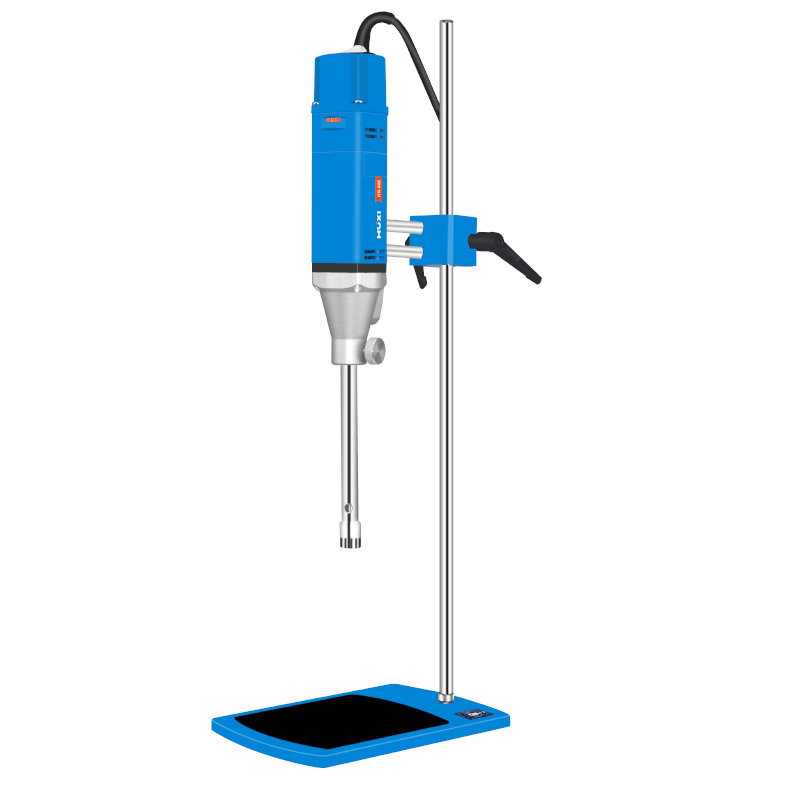
A homogenizer, such as the FJ300-SL, is designed to break down larger particles into finer particles to ensure uniformity in mixtures. This is essential in industries like pharmaceuticals, food and beverage, cosmetics, and chemical processing. The homogenizer works by using a high-speed rotor to disperse and mix materials at varying speeds, ranging from 2,000 to 15,000 RPM. With a capacity range of 100ml to 13L, the FJ300-SL can handle a variety of sample sizes, from laboratory tests to small-scale production.
The high-speed motor provides the necessary power for dispersing and homogenizing materials in liquid mediums. However, improper usage, inadequate maintenance, or poor operational practices can lead to inefficiencies, damage to the equipment, and even safety hazards.
Before using a homogenizer, it is essential to thoroughly inspect the equipment for any visible signs of damage or wear. Ensure that all components, especially the working head, motor, and speed control system, are in good condition. Any cracks, corrosion, or loose parts could compromise the efficiency of the machine and pose safety risks.
The working head and other parts of the homogenizer are in direct contact with the materials being processed. Therefore, selecting the right homogenizer for specific materials is crucial. For example, if you're working with corrosive substances, ensure that the homogenizer's components are made from high-quality stainless steel, which offers resistance to corrosion.
The FJ300-SL model, with its stainless steel working head, ensures compatibility with a wide range of liquid substances. Using incompatible materials can cause rapid wear or contamination, impacting the final product's quality.
Homogenizers like the FJ300-SL feature a stepless speed control system, allowing users to adjust the speed based on the material being processed. It is crucial to adjust the speed settings according to the requirements of the material. For delicate mixtures, use lower speeds (around 2,000 RPM), while tougher particles may require higher speeds (up to 15,000 RPM).
Failure to adjust the speed correctly can result in inefficient homogenization, particle aggregation, or overheating of the motor.
Ensure that the sample size is appropriate for the homogenizer's capacity. Overloading or underloading the homogenizer can lead to operational inefficiencies. The FJ300-SL model, for instance, is designed to handle sample sizes ranging from 100ml to 13L, allowing flexibility in experimental setups. Always follow the manufacturer's guidelines on the maximum load capacity.
Never operate the homogenizer without a liquid medium or sample in place. Running the machine dry can cause damage to the motor, especially when high-speed operations are involved. The lack of liquid can also lead to overheating and may even cause the working head to seize up.
While operating a homogenizer, it is essential to wear the appropriate personal protective equipment (PPE), including gloves, safety goggles, and lab coats. Homogenizers operate at high speeds, and there is always a risk of splashing or the sudden release of materials. Protective gear minimizes the risk of injury.
During operation, ensure that the homogenizer is placed on a stable surface. Vibration during high-speed homogenization can cause the machine to shift, leading to inaccurate results or even damage. The FJ300-SL model is designed with stability in mind, thanks to its compact motor and high-density die-cast aluminum body. However, always double-check that the machine is securely placed.
Proper cleaning and sanitization after each use are essential to prevent cross-contamination between batches, especially when working with different substances. The FJ300-SL homogenizer’s working head is designed for easy disassembly, simplifying the cleaning process. Clean the homogenizer components thoroughly with appropriate solvents or cleaning agents to maintain hygiene and performance.
Routine maintenance is necessary to ensure the longevity and reliability of your homogenizer. This includes checking the motor for wear and tear, inspecting the speed control system, and replacing any damaged parts. The FJ300-SL model's modular design allows for easy maintenance, saving both time and effort. Regularly replacing worn-out parts such as seals or bearings ensures smooth operation.
When not in use, ensure the homogenizer is stored in a dry, clean environment. Avoid exposure to moisture, dust, or extreme temperatures, as these conditions can damage sensitive components. Store the homogenizer in its original packaging or a dedicated storage space to prevent accidental damage.


