
+86-400-808-1508 zhaoxuemei1@huxishiye.com
Language
Please Choose Your Language

Views: 0 Author: Site Editor Publish Time: 2026-02-02 Origin: Site


A microplate centrifuge is a laboratory device designed to spin microplates—multi-well plates—at high speeds to separate sample components based on their density. Used primarily in high-throughput environments, it allows for efficient processing of many samples simultaneously. Common in molecular biology, chemistry, and clinical diagnostics, microplate centrifuges offer rapid, reliable sample separation in formats like 96-well or 384-well plates.
Microplate centrifuges create centrifugal force by spinning the plate at high speeds. This force pushes heavier components of the sample to the bottom of the wells while lighter components rise to the top, effectively separating the components. These centrifuges are designed to hold microplates securely and offer precise speed control for consistent results.
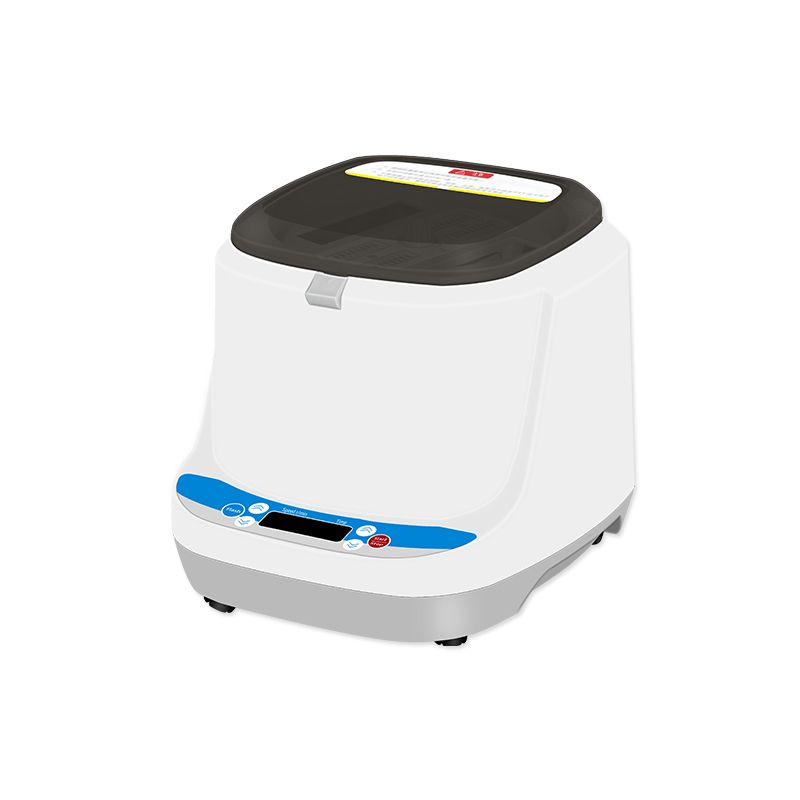
Speed & G-Force: The centrifuge's speed (measured in RPM) and G-force determine its effectiveness. Higher speeds result in better separation of sample components.
Plate Compatibility: These centrifuges can handle various microplate sizes, such as 96-well, 384-well, and sometimes 48-well plates.
High Throughput: Ideal for labs that need to process large volumes of small samples efficiently.
Sample Separation: Separating proteins, DNA/RNA, or plasma from blood.
Concentration: Removing excess liquid to concentrate samples.
Cell Pelleting: Collecting cells or microorganisms at the bottom of wells.
Efficiency: Fast processing of many samples at once.
Compact Design: Space-saving, making it ideal for smaller labs.
Small Volume Handling: Works well with small sample volumes, reducing reagent waste.
Microplate centrifuges are essential for high-throughput labs that need to process multiple samples quickly. Their ability to efficiently separate and concentrate samples while saving time and space makes them a valuable tool in scientific and clinical applications.


